𝗘𝗨 𝗔𝗜 𝗔𝗰𝘁 via Example!

The 𝗘𝗨 𝗔𝗜 𝗔𝗰𝘁 is no longer something to “prepare for someday.” Key provisions have already started applying, including the transparency rules from 2 𝗔𝘂𝗴𝘂𝘀𝘁 𝟮𝟬𝟮𝟲. And one point is especially important for 𝘀𝗼𝗳𝘁𝘄𝗮𝗿𝗲 𝗲𝗻𝗴𝗶𝗻𝗲𝗲𝗿𝘀: 𝗬𝗼𝘂 𝗱𝗼 𝗻𝗼𝘁 𝗻𝗲𝗲𝗱 𝘁𝗼 𝘁𝗿𝗮𝗶𝗻 𝗼𝗿 𝗯𝘂𝗶𝗹𝗱 𝗮𝗻 𝗔𝗜 𝗺𝗼𝗱𝗲𝗹 𝘁𝗼 𝗯𝗲 𝗮𝗳𝗳𝗲𝗰𝘁𝗲𝗱 𝗯𝘆 𝘁𝗵𝗲 𝗔𝗜 𝗔𝗰𝘁. 𝗜𝗳 𝘆𝗼𝘂𝗿 … Read more

The Compiler Should Be Part of the AI Context, Not Just the Build Pipeline

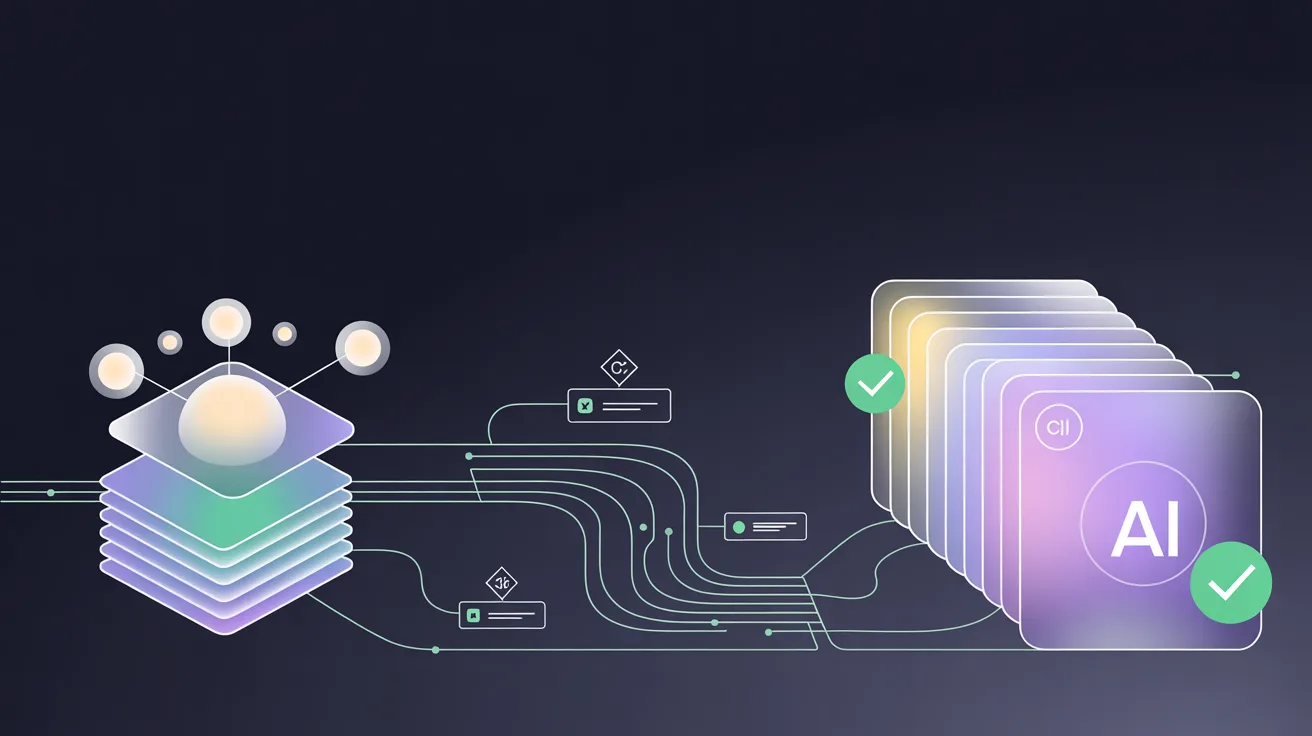
For a while, when we talked about making developer tools “AI-native,” we mostly meant making them easier for an agent to call. Expose an API. Add an MCP server. Give the agent access to the repository. Let it run tests, execute commands, inspect logs, call external tools. All of that is useful. But it’s still … Read more

From Skill Generation to Skill Qualification: An Overview on Waza and skill-validator

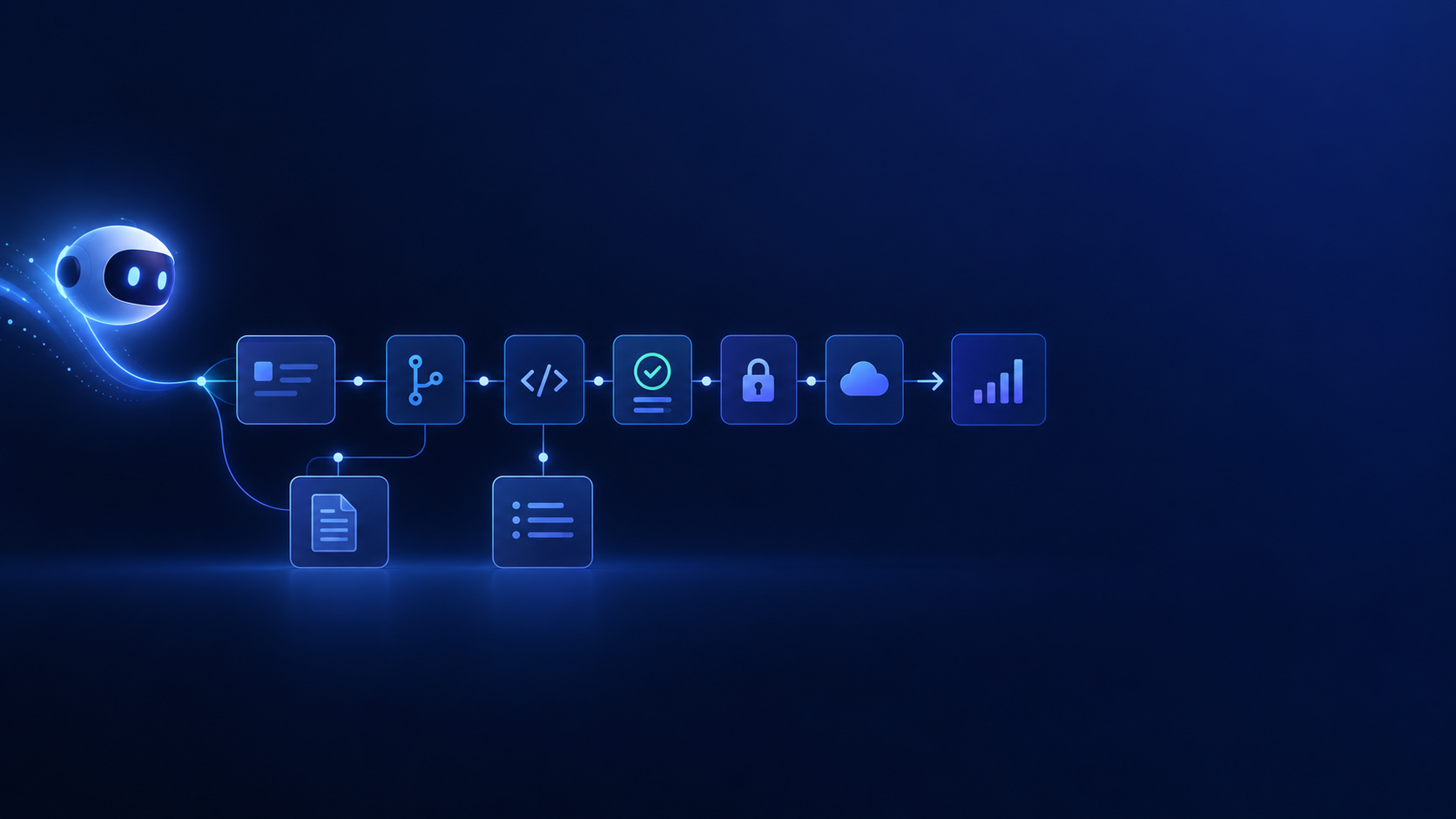
Skill Review Is the New Code Review We’ve normalized code review. Most teams won’t merge a PR without at least one pair of eyes on it. But here’s what many teams haven’t caught up to yet: today it’s not just code that shapes what ends up in production. It’s the skills, prompts, and instructions that … Read more

Designing Support-Friendly Software: Transforming Operational Efficiency from the Ground Up

Introduction Over the past twenty years, I have worked in various companies, from fast-growing startups to enterprises. The lack of support-friendly software design and development practices remains a recurring challenge. Neglecting support considerations during the design phase often results in frustration across teams—support agents struggle with diagnostics, developers are pulled into frequent firefighting, and users face prolonged … Read more

Unlocking Developer Efficiency: A Practical Guide to Internal Developer Portals

Summary Have you ever felt overwhelmed by the sheer number of tools and systems developers have to juggle daily? Or maybe you’ve noticed that onboarding new team members takes longer than it should? These are common challenges that many software development teams face today. What if there was a way to simplify this chaos, streamline … Read more

Rethinking Technical Debt: A Pragmatic Approach to Software Maintenance and Housekeeping in Development Teams

In the realm of software engineering, the term “technical debt” has long been a go-to explanation for many of the challenges we face in maintaining and evolving systems. It evokes frustration, slowdowns, and the sense that something was done wrong in the past that now demands our attention. But while nearly every developer, designer, and … Read more

Window Server 2025, let’s think again about Windows…

While many of us have been replacing Linux for our server apps, Windows Server 2025 emerges as a pivotal release in Microsoft’s server OS lineage, emphasizing three core areas: system quality, hybrid cloud integration, and security enhancements. This article delineates the principal technological innovations introduced in Windows Server 2025, underscoring its impact on performance, hybrid … Read more

Sustainability and Carbon Footprint in Software Architecture, and Development

Introduction: In our increasingly digital world, the carbon footprint of software has become a critical concern. Data centers, the backbone of our digital infrastructure, consume vast amounts of energy. In 2020, data centers accounted for approximately 1% of global electricity use, equivalent to about 200-250 TWh per year. To put this in perspective, if we … Read more

Expression Trees 2: Creating a Business Rule Engine

In the previous post, I covered the basics of expression trees, including their structure and how to create them in .NET. Now, let’s dive into a real-world example: building a simple Business Rule Engine (BRE) using expression trees. This engine will apply discount rules based on certain conditions. Scenario: Discount Calculation Imagine you are working … Read more